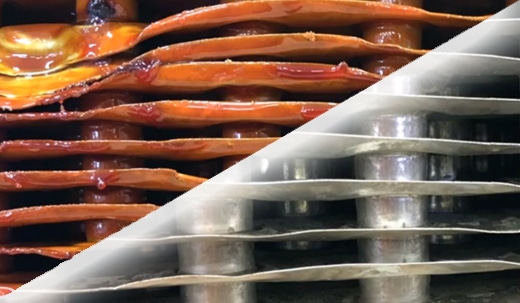
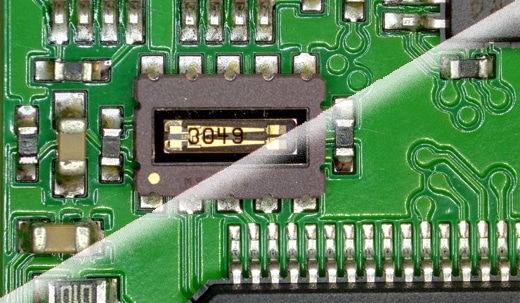
In the highly automated world of Surface Mount Technology (SMT), manual cleaning is frequently mischaracterized as an outdated or secondary process. However, targeted manual intervention remains a critical necessity for maintaining overall production quality. Whether you are addressing heavy, polymerized flux on immovable reflow oven radiators, performing localized defluxing on a reworked Printed Circuit Board Assembly (PCBA), or pre-cleaning heavily soiled solder frames before automated washing, precision manual cleaning directly impacts your Cost of Poor Quality (COPQ). Relying on generic, highly volatile solvents like Isopropyl Alcohol (IPA) for these tasks leads to cross-contamination, severely damages delicate tooling, and creates extreme safety hazards. DCT provides a specialized portfolio of manual cleaning agents—ranging from water-based active foams to high-purity, fast-evaporating solvents—designed to deliver uncompromising cleanliness across every manual application in your facility.
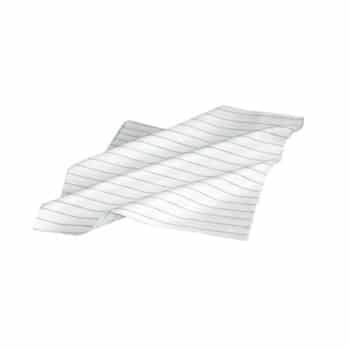
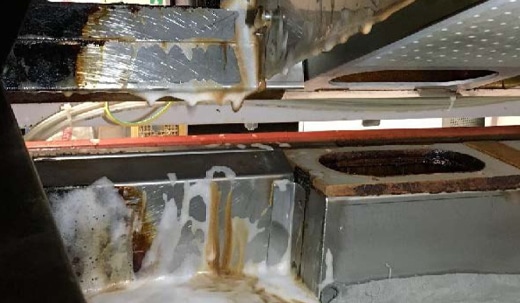
Process engineers know that effective cleaning requires adequate dwell time—the period the chemical remains in contact with the soil to break molecular bonds. When cleaning the internal vertical walls of reflow or wave soldering ovens, traditional liquid solvents instantly run off the surface, failing to dissolve polymerized flux. DCT solves this with advanced “Active Foam” technology found in our Reflow Cleaner series. When sprayed, these water-based fluids instantly generate a thick, clinging foam that adheres to vertical surfaces and complex geometries. This drastically increases dwell time, allowing the chemistry to safely break down stubborn, baked-on synthetic and rosin-based fluxes so they can be effortlessly wiped away. For PCBA rework, our specialized alcohol-based removers offer instant solvency for active flux residues, leaving zero ionic contamination when paired with appropriate ESD-safe absorbent wipes.
From a financial perspective, intelligent manual cleaning is a powerful tool for reducing Operating Expenses (OPEX). Heavily baked solder pallets and condensation traps carry massive amounts of flux and tin salts. If these are placed directly into an automated cleaning machine, they rapidly saturate the bath chemistry, forcing premature fluid replacements and driving up consumable costs. By implementing a rapid, manual pre-cleaning step using our heavy-duty removers, operators can strip away the bulk of the gross contamination before automated washing. This hybrid approach significantly extends the bath life of your expensive machine chemistry, minimizes automated cycle times, and directly improves your Total Cost of Ownership (TCO).
The continued use of Isopropyl Alcohol (IPA) for manual oven maintenance is a critical safety liability. IPA has a flash point of just 12°C (53°F) and consists of 100% Volatile Organic Compounds (VOCs). When sprayed onto the warm internal surfaces of a reflow oven, IPA flashes off almost instantaneously, creating a highly concentrated, explosive vapor cloud directly in the operator’s breathing zone. DCT’s manual maintenance solutions lead the industry in safety. Our water-based Reflow Cleaners are completely non-flammable with zero flash points, eliminating factory fire risks, ensuring strict compliance with health and safety regulations, and providing operators with a hazard-free working environment.
Manual cleaning requires specific formulations based on the substrate and the soil. Use this guide to select the optimal DCT product for your application:
| Product Name | Primary Application | Chemical Base | Key Technical Feature |
|---|---|---|---|
| Reflow Cleaner 94 | Ovens & Wave Machines | Water-Based (Alkaline) | Creates active foam; high compatibility with aluminum alloys; low odor. |
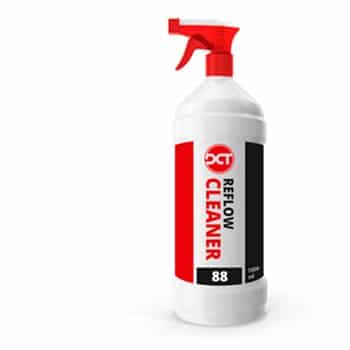
| Reflow Cleaner 88 | Heavy Oven Maintenance | Water-Based (Alkaline) | Aggressive active foam for difficult-to-clean fluxes; excellent vertical cling. |
| Reflow Cleaner 74 | Solder Frame Pre-Cleaning | Water-Based (Caustic) | Maximum strength for softening severely baked, rock-hard flux residues. |
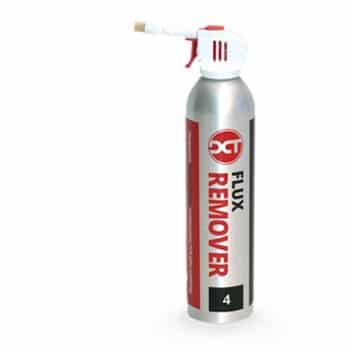
| Flux Remover 4 | PCBA Manual Rework | Solvent-Based | Fast evaporation; perfect for localized defluxing with an ESD-safe wipe. |
| Stencil Cleaner 11 | Stencil Pre-Cleaning | Solvent-Based | Instantly dissolves raw solder paste; prevents cross-contamination in machines. |
Beyond the severe flammability and high VOC exposure risks, Isopropyl Alcohol is simply ineffective for this specific task. To dissolve polymerized (baked) flux, a cleaning agent requires extended dwell time. Because IPA evaporates almost instantly upon contact with room-temperature or warm oven surfaces, it flashes off before it can chemically break down the hardened flux matrix, leaving the contamination behind.
When liquid cleaners are sprayed onto the vertical walls of a reflow oven, gravity immediately pulls the fluid down, resulting in wasted chemistry and zero cleaning action. Our water-based Reflow Cleaners are formulated with specific surfactants that generate a dense foam upon spraying. This foam clings to vertical and inverted surfaces, suspending the active chemistry against the soil for several minutes until the flux is fully softened.
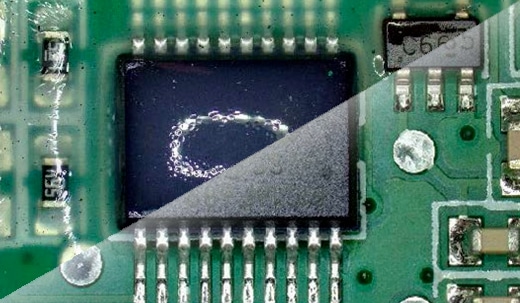
When you spray a solvent like Flux Remover 4 onto a reworked solder joint, the fluid dissolves the flux into a liquid state. If you simply let the solvent evaporate, the ionic contamination and resins will re-deposit back onto the board, often forming a white, sticky residue. An ESD-safe wipe physically absorbs the contaminated fluid, permanently removing the harmful ions from the assembly.
Yes, for heavily baked pallets, manual pre-cleaning is highly recommended. Extremely thick layers of flux and tin salts will rapidly deplete the cleaning capacity of your automated machine’s fluid. Applying a quick coating of Reflow Cleaner 74 or 88, allowing it to soak, and brushing off the worst of the gross contamination will dramatically extend the lifespan of your automated bath chemistry.
No. Aggressive alkaline or caustic cleaners (like Reflow Cleaner 88 or 74) are exceptionally good at breaking down flux, but they can cause galvanic corrosion, dulling, or etching on soft metals like aluminum or brass. For aluminum oven parts, you must select a specifically inhibited fluid like Reflow Cleaner 94, which provides robust cleaning power while passivating and protecting sensitive metallic substrates.
Do not let unoptimized manual cleaning processes compromise your factory’s safety, inflate your chemical costs, or degrade your final product reliability. Equip your operators with purpose-built, high-performance manual chemistries that work in perfect synergy with your automated systems. Contact our technical sales team today to request safety data sheets, arrange a sample trial, and bring absolute precision to every workstation on your production floor.



100% RESPONSIBILITY FOR THE CLEANING PROCESS
We take full responsibility for the functionality of the cleaning process.
Complete cleaning solutions
We can offer complete cleaning solutions for all existing applications.
Quality of cleaning systems
We manufacture cleaning systems exclusively in stainless steel because it has long-term advantages.
pure quality of cleaning agents
We care about the functionality of the cleaning chemistry, but also about ecology.
Technical and economic improvements
With every project, our greatest motivation is to bring the customer a better technical and economic solution.
Development and customization
By continuously developing our cleaning technologies, we are moving forward and responding to developments in the electronics industry.
Democenters Worldwide
We give customers the opportunity to actually test the cleaning solution.
Direct service Support
For us, service support does not end with the installation, it begins.